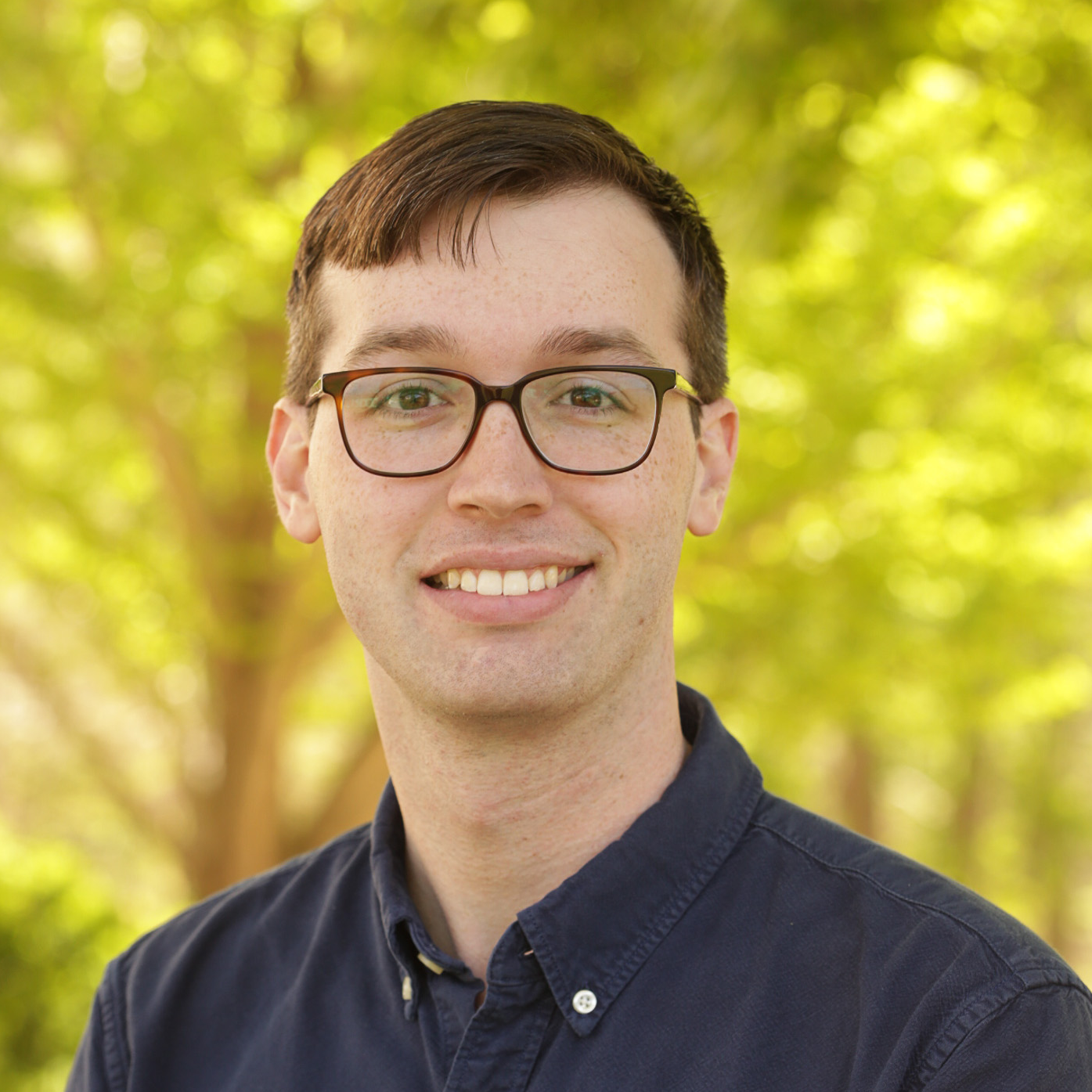
Andrew Worthy — Computational Neuroscientist
Open to data science and machine learning opportunities.
PhD candidate in Emory's Neuroscience Program (Laney Graduate School), mentored by Dr. Francisco J. Alvarez (Alvarez Lab). My research combines electrophysiology, genetic tools, and computational modeling to investigate how spinal interneurons shape movement and how aging and disease affect spinal circuits. I apply data science and machine learning to derive insights from large-scale neuroscience datasets.
Research Themes
- Renshaw cells
Exploring how they develop and age, and defining their various roles in shaping motor output through in vivo electrophysiology and computational circuit modeling. - Ia inhibitory interneurons
Probing when and how their activity is dynamically modulated during motor behaviors using multi-channel EMG recordings and statistical analysis. - Spinal reflex assays & computational modeling
Pairing in vivo decerebrate experiments with circuit simulations to delineate the functional roles of various spinal interneuron subtypes. - Behavioral analysis & Electromyography (EMG)
Combining behavioral assays with in vivo hindlimb EMG and kinematic video tracking to evaluate how genetically-defined spinal interneurons govern motor output.
Technical Skills
Core Skills — at a glance:
- Programming & Data Analysis:
- Python: NumPy, SciPy, Pandas, Matplotlib, Seaborn, Scikit-learn
- Machine Learning: Experience with supervised learning, clustering, and dimensionality reduction
- Statistical Analysis: Hypothesis testing, ANOVA, regression modeling
- Data Visualization: Creating publication-quality figures and interactive dashboards
- MATLAB, R: Signal processing, statistical analysis
- Software Development:
- GUI development: PyQt6 applications for data analysis and visualization
- Version control: Git, GitHub for collaborative development
- Documentation: Jupyter notebooks, technical writing
- Domain Expertise:
- Electrophysiology data analysis (EMG, neural recordings)
- Behavioral analysis with computer vision (SLEAP tracking)
- Computational modeling (Brian2 neural network simulator)
- Image analysis and confocal microscopy
- Laboratory & Research Skills:
- In vivo EMG, suction-electrode recordings, nerve stimulation
- Genetics & histology (transgenic mice, immunohistochemistry, viral tracing)
- Experimental design and hypothesis testing
- Open‑source contributions: See my list of current Projects for code, tools, and collaborations.